Attraction doesn’t always follow a predictable path and for some people, it shifts and changes over time. This puzzling experience is more common than many realize, and it has a name: abrosexuality.
Thought she was a lesbian
Let’s explore the meaning behind abrosexuality – and how one writer’s three-decade journey helped bring visibility to this often-misunderstood label.
In a personal piece published by Metro UK in July 2024, writer Emma Flint shared her moving story of realizing she was abrosexual – after 30 years of wondering why her attractions seemed to shift like the seasons.
Flint, who was 32 at the time of writing the article, describes her years of thinking she was a lesbian, followed by periods where she felt drawn to men, then no one at all, and then back again.
For decades, she said she was “uncertain of who I was.”
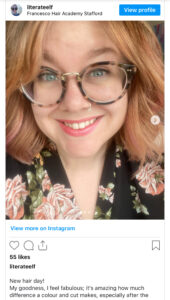
I felt lost, as if out at sea. I also felt like a fraud because of how much I changed my identity when chatting with loved ones,” explains the freelancer, based in Staffordshire, England.
“It wasn’t that I couldn’t make my mind up, but rather my identity shifted,” One day I felt like I was a lesbian, yet days or weeks later, I’d feel more aligned with bisexuality. My sexuality was fluid.”
It wasn’t until she stumbled upon the term “abrosexual” in an online forum that everything clicked.
Finally,” she writes, “I felt seen.”
What is abrosexuality?
Healthline reports that abrosexual – a lesser-known LGBTQ+ identity – is a kind of sexual fluidity.
“Someone who’s abrosexual finds that their sexual attraction shifts often: they might identify with the term ‘gay,’ and later feel attracted to people of all genders, and then feel little to no sexual attraction at all.”
Elaborating on the identity, the health and wellness provider writes, “Terms like homosexuality, bisexuality, heterosexuality, and pansexuality refer to the genders of the people you’re attracted to. The term ‘abrosexuality’ is different because it doesn’t specify a gender – it simply refers to the fact that your sexual attraction shifts over time.”
Offering her personal experience on her ever-shifting attractions, Flint shares, “I love the person, rather than their gender so it doesn’t matter if my sexuality fluctuates while I’m with them.”
“However, even after explaining this, there’s always some people who enjoy demanding that I ‘pick a lane’ so that my identity doesn’t offend them. I want people to know that, just because you don’t know or understand an identity, doesn’t make it less authentic.”
What does abrosexuality look like?
One of the most important things to understand about abrosexuality is that it doesn’t follow a single pattern. It looks different for everyone.
To help paint a clearer picture, Healthline offers a few examples of how abrosexuality might show up:
Day-to-day shifts: You might feel exclusively attracted to men one day, and then wake up the next day feeling drawn only to women.
Gradual changes: You could feel attracted to people of all genders for a while, and then notice that after a few weeks or months, you’re only feeling attraction toward one specific gender.
Fluctuating attraction levels: You might go through a period where you experience little to no sexual attraction at all – sometimes referred to as asexual feelings—only to find that months later, your attraction returns and feels more active again, possibly toward different genders.
Long-term evolution: You might identify as a straight man for years, only to later realize you’re developing attraction toward other men, adding new layers to your sense of identity.
These examples are just snapshots of possibilities. There’s no “one-size-fits-all” experience when it comes to being abrosexual, and that’s what makes this identity so unique and personal.
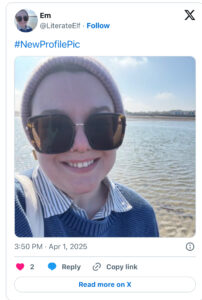
We’re all learning new things about ourselves all the time – that’s what growth and development is about,” Flint writes. “Eventually, I hope that abrosexuality will be seen as normal, just another identity that someone might have, and not regarded as a way to be ‘on trend.’”
Flint’s story is more than just a personal journey – it’s a reminder of how vital language and representation are in helping people understand themselves. Many people may go through life feeling “broken” or “out of place” simply because they haven’t heard the right word to describe their experience.
What are your thoughts on all these identities? Please let us know what you think and then share this story so we can get the conversation started!