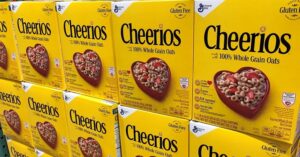
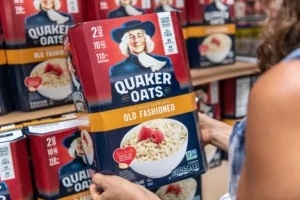
In a recent report by the Environmental Working Group, concerning findings have emerged regarding a chemical prevalent in popular oat-based products like Cheerios and Quaker Oats. This revelation underscores a significant health concern affecting a vast majority of Americans.
According to the study published in the Journal of Exposure Science & Environmental Epidemiology, a staggering 80% of Americans tested positive for chlormequat, a harmful pesticide widely used in agriculture. This chemical, allowed for application on oats and other grains imported to the US, has been associated with adverse health effects including reduced fertility, altered fetal growth, and delayed puberty.

What’s particularly alarming is the widespread presence of this chemical in everyday foods. The report highlighted that chlormequat was detected in a whopping 92% of oat-based products tested, including well-known brands such as Quaker Oats and Cheerios. This finding raises serious questions about the safety of these breakfast staples that millions of Americans consume daily.
Furthermore, an analysis of urine samples collected over several years revealed an increase in chlormequat levels among participants, indicating a concerning trend of rising exposure to this harmful pesticide.
While research on chlormequat’s impact on human health is ongoing, studies on animals have shown disturbing results, including damage to reproductive systems and fetal development.
The Environmental Working Group has called for immediate action from the federal government, urging agencies like the Food and Drug Administration to mandate testing for chlormequat in US foods. However, recent proposals by the US Environmental Protection Agency to expand the use of chlormequat on domestically grown crops have only added to the concerns raised by this report.
In light of these findings, consumers are urged to be vigilant about their food choices. Opting for organic oat products, which are grown without synthetic pesticides like chlormequat, may offer a safer alternative for individuals concerned about their health and fertility.
As this issue continues to unfold, it underscores the importance of transparency in our food supply chain and the need for stringent regulations to safeguard public health.
It’s time for policymakers and food manufacturers alike to prioritize the well-being of consumers and take decisive action to address this pressing issue before more lives are affected.